
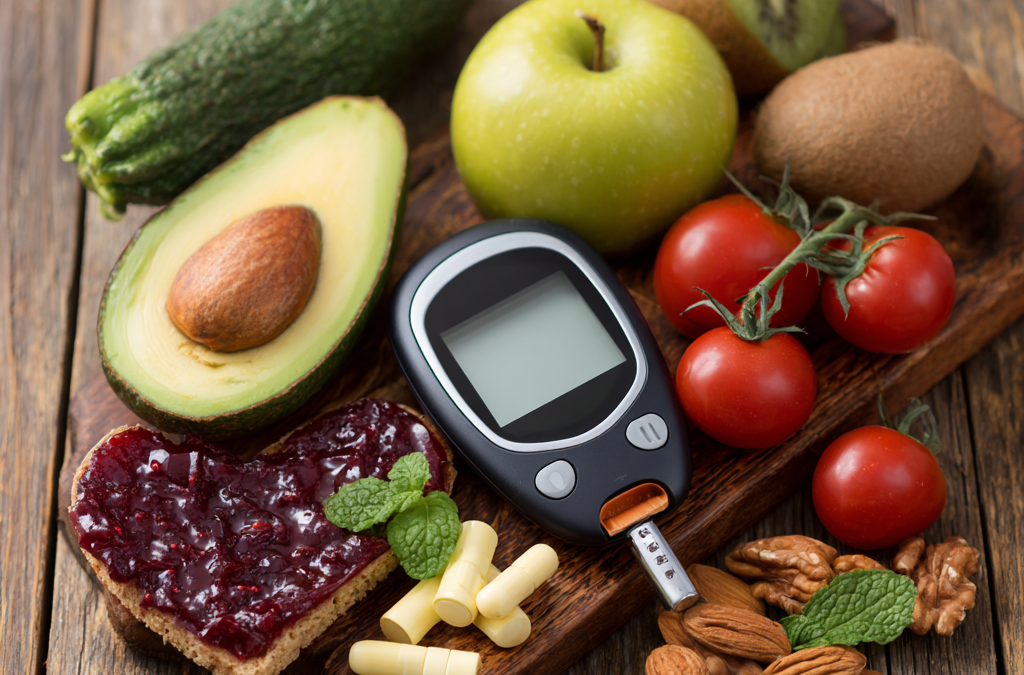
Managing Type 2 Diabetes: Diet, Exercise, and Affordable Medication Options
Managing Type 2 diabetes effectively requires a comprehensive lifestyle strategy that includes healthy eating, regular physical activity, proper monitoring, and access to affordable medications. With the right approach, many people can improve blood sugar control, reduce complications, and maintain a high quality of life.
This guide provides practical, evidence-based strategies to help individuals take control of their health while also exploring cost-effective prescription solutions.
Understanding Type 2 Diabetes
Type 2 diabetes is a metabolic condition in which the body becomes resistant to insulin or cannot produce enough insulin to maintain normal blood glucose levels. Over time, elevated blood sugar can lead to serious complications affecting the heart, kidneys, eyes, nerves, and circulation.
Common risk factors
-
Overweight or obesity
-
Sedentary lifestyle
-
Family history of diabetes
-
Poor diet high in processed carbohydrates and sugar
-
Age over 45
-
Prediabetes or metabolic syndrome
Possible symptoms
-
Frequent urination
-
Excessive thirst
-
Fatigue
-
Blurred vision
-
Slow healing wounds
-
Increased hunger
Early diagnosis and lifestyle changes can significantly improve long-term outcomes.
Diabetes Diet: Foods That Help Control Blood Sugar
Nutrition plays a central role in managing Type 2 diabetes. A balanced diet helps regulate glucose levels, supports weight loss, and improves energy.
Key dietary strategies
Focus on low-glycemic foods
These foods cause slower increases in blood sugar:
-
Leafy greens and non-starchy vegetables
-
Whole grains such as oats, quinoa, and brown rice
-
Legumes like lentils and chickpeas
-
Nuts and seeds
Include lean protein at each meal
-
Fish and seafood
-
Skinless poultry
-
Eggs
-
Plant-based proteins such as tofu
Choose healthy fats
-
Olive oil
-
Avocados
-
Nuts and fatty fish
Limit sugar and refined carbohydrates
-
Sugary drinks and desserts
-
White bread and pastries
-
Processed snack foods
Practice portion control and meal timing
Eating balanced meals every 3–4 hours can help prevent blood sugar spikes and crashes.
Exercise and Physical Activity
Regular physical activity improves insulin sensitivity and helps the body use glucose more efficiently.
Recommended guidelines
-
Aim for at least 150 minutes of moderate aerobic exercise per week (walking, swimming, cycling)
-
Perform strength training 2–3 times weekly to improve metabolism
-
Add flexibility and balance activities such as stretching or yoga
Benefits of exercise
-
Lower blood sugar levels
-
Improved cardiovascular health
-
Weight management
-
Better sleep and mood
-
Reduced risk of diabetes complications
Even simple daily activities like walking after meals or using stairs instead of elevators can make a meaningful difference.
Affordable Medication Options for Diabetes
Many people with Type 2 diabetes require prescription medication to maintain optimal glucose control. Fortunately, several cost-saving strategies can help reduce expenses.
Common medications
-
Metformin
-
Sulfonylureas
-
SGLT2 inhibitors
-
GLP-1 receptor agonists
-
Insulin therapy
Ways to save on prescriptions
Choose generic medications when possible
Generic drugs provide the same active ingredients as brand-name medications at a lower cost.
Compare pharmacy prices
Medication prices can vary significantly between pharmacies and countries.
Use trusted international prescription brokers
Online pharmacy brokers can help patients access more affordable brand or generic medications.
Patients may consider using Express Meds Canada, a prescription pharmacy broker that connects individuals with licensed pharmacies in Canada, the United States, and other global locations.
Learn more at:
👉 https://expressmedscanada.to/
This global network allows patients to compare prices, access brand or generic medications, and potentially reduce out-of-pocket costs.
Ask about assistance programs
Many pharmaceutical companies and nonprofit organizations offer financial help for eligible patients.
Monitoring Blood Sugar and Lifestyle Habits
Successful diabetes management requires consistent daily habits.
Essential self-care practices
-
Monitor blood glucose as recommended
-
Maintain a healthy weight
-
Stay hydrated
-
Manage stress through relaxation techniques
-
Aim for 7–9 hours of quality sleep
-
Schedule regular medical checkups
Tracking blood sugar, diet, and activity levels can help optimize treatment plans.
Preventing Long-Term Complications
Maintaining stable blood sugar reduces the risk of serious complications such as:
-
Heart disease and stroke
-
Kidney damage
-
Vision problems
-
Nerve damage
-
Foot ulcers
Preventive care includes:
-
Routine lab testing
-
Blood pressure and cholesterol control
-
Annual eye exams
-
Proper foot care
Conclusion
Managing Type 2 diabetes is a long-term commitment that involves making consistent healthy lifestyle choices while ensuring access to effective and affordable medications. A balanced diet, regular exercise, proper monitoring, and smart prescription strategies can significantly improve overall health and quality of life.
By taking proactive steps and exploring cost-saving options such as global pharmacy networks like Express Meds Canada, individuals can better manage their condition and reduce financial stress related to treatment.




Recent Comments