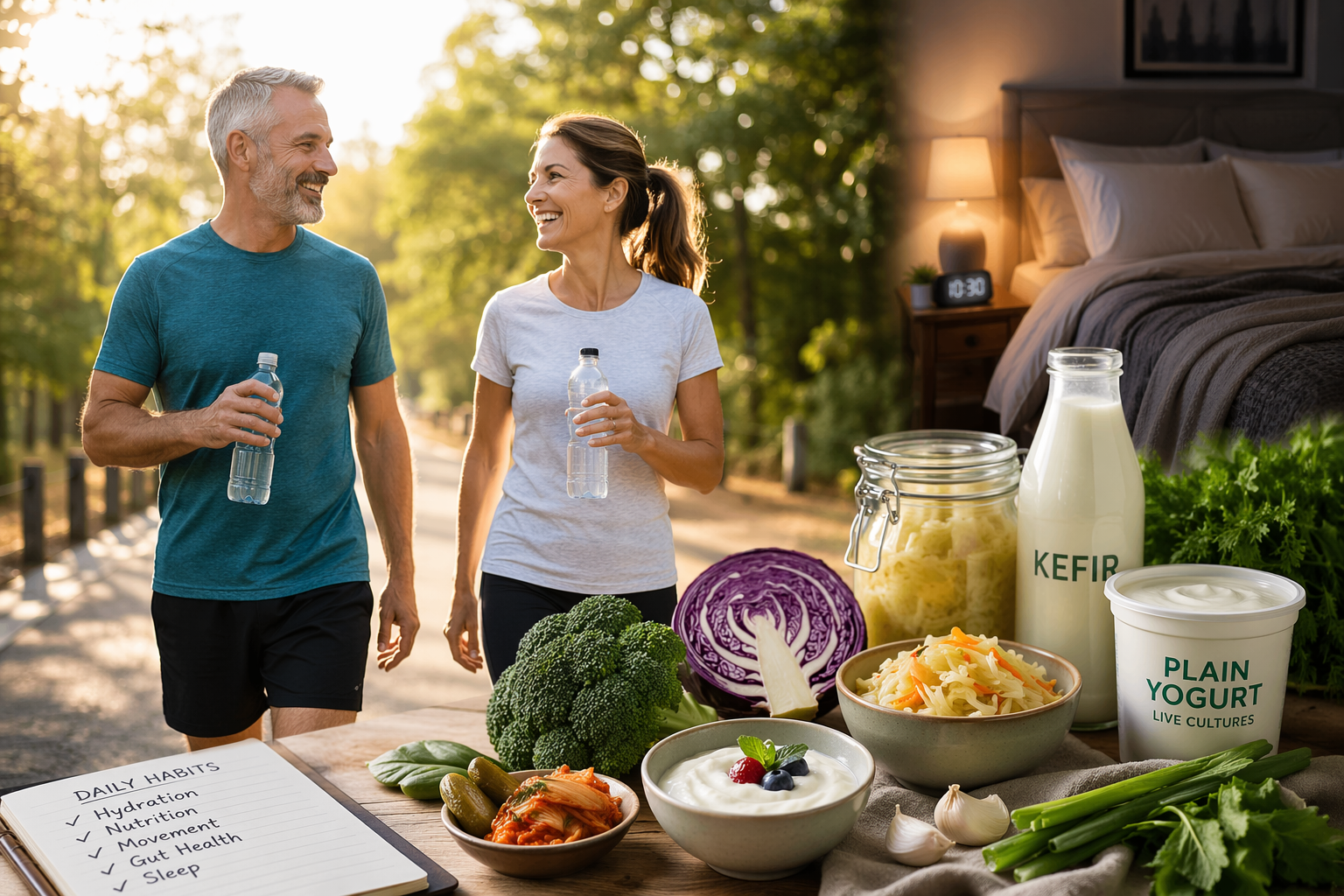
The 5 Daily Habits That May Help Reduce Cancer Risk After 50
As we get older, most people spend more time thinking about disease detection than prevention. Mammograms, colonoscopies, PSA tests, blood work, and scans are all important. But what if some of the most powerful tools for reducing cancer risk are simple habits you can build into your daily routine?
Research continues to show that certain lifestyle habits can dramatically reduce inflammation, support immune function, improve cellular repair, and create an internal environment that is less favorable for cancer development.
While there is no guaranteed way to prevent cancer, especially when genetics and environmental factors are involved, there are evidence-based habits that may help lower your risk and improve your long-term health.
Here are five of the most important daily habits to focus on after 50.
No.1 Oncologist Reveals the SIMPLE Daily Habit That Prevents Cancer After 50 | Dr. William Li
1. Start the Day With Proper Hydration
Many adults over 50 are chronically dehydrated without even realizing it. As we age, the body becomes less sensitive to thirst signals, which means you may not feel thirsty even when your cells need water.
Hydration is essential because your lymphatic system relies on water to help clear waste products, toxins, and damaged cells from the body. When hydration is poor, inflammation can rise, waste removal slows down, and the body may become less efficient at repairing itself.
Some studies have suggested that higher water intake may be associated with lower risks of certain cancers, particularly colon, bladder, and kidney cancers.
A simple goal is to drink 16 to 20 ounces of filtered water first thing in the morning before coffee, food, or screens. Adding fresh lemon may provide additional benefits, as citrus compounds like limonene have been studied for their antioxidant and anti-inflammatory properties.
To maximize the benefits of hydration, combine it with light movement such as walking around the house, stretching, or going outside for fresh air.
2. Eat More Fermented Foods
Your gut health plays a major role in inflammation, immune function, and even cancer prevention.
As people age, the lining of the gut can become more permeable, allowing inflammatory compounds to enter the bloodstream more easily. This chronic low-grade inflammation may contribute to the development of multiple diseases, including cancer.
Fermented foods help introduce beneficial bacteria into the gut microbiome, which can support digestion, immune balance, and the production of compounds that may help protect cells.
Examples of healthy fermented foods include:
- Plain yogurt with live cultures
- Kefir
- Sauerkraut
- Kimchi
- Miso
- Fermented pickles
Research has shown that diets rich in fermented foods can improve microbiome diversity and reduce inflammatory markers in the body.
Aim for one to two servings of naturally fermented foods each day. Pairing them with prebiotic-rich foods such as garlic, onions, leeks, asparagus, or slightly underripe bananas can help feed beneficial gut bacteria and improve their effects.
3. Walk Daily for Metabolic Health
Walking is one of the most underrated forms of medicine.
Regular movement improves circulation, reduces blood sugar levels, supports immune function, lowers inflammation, and helps maintain a healthy weight. It can also improve mitochondrial function, which is especially important as we age.
Mitochondria are the energy-producing structures inside your cells. Over time, they become less efficient, which may contribute to fatigue, slower recovery, aging, and disease.
Moderate-intensity walking can help stimulate the body to produce healthier mitochondria while also improving oxygen delivery throughout the body.
Many experts recommend what is sometimes called “metabolic walking”:
- Walk continuously for 30 to 45 minutes
- Maintain a pace where you can still talk but not easily sing
- Aim for at least five days per week
- If possible, walk in the morning before breakfast
Morning walking may offer additional benefits because it can help stabilize blood sugar levels and support your circadian rhythm.
Walking outdoors also exposes you to natural sunlight, which helps regulate melatonin production and sleep quality.
4. Add More Cruciferous Vegetables to Your Diet
Cruciferous vegetables are among the most powerful foods for cellular protection.
These vegetables contain compounds such as sulforaphane, which has been studied extensively for its ability to support detoxification, antioxidant defenses, DNA repair, and the elimination of damaged cells.
Foods rich in sulforaphane include:
- Broccoli
- Broccoli sprouts
- Brussels sprouts
- Cauliflower
- Cabbage
- Kale
Broccoli sprouts are especially potent and may contain far more sulforaphane than mature broccoli.
One of the keys to getting the most benefit is preparation. Sulforaphane is activated when vegetables are chopped, crushed, or chewed.
For best results:
- Chop broccoli and let it sit for about 30 to 40 minutes before cooking
- Steam vegetables lightly instead of overcooking them
- Add raw mustard powder or radishes to cooked broccoli to help restore the enzymes needed for sulforaphane production
Even small daily servings of cruciferous vegetables may provide long-term health benefits.
5. Prioritize Deep, Restorative Sleep
Sleep may be the most important habit of all.
During deep sleep, the body repairs cells, supports immune function, balances hormones, and removes waste from the brain and nervous system.
Deep sleep also supports the production of melatonin, a hormone that plays an important role in regulating sleep and may also help protect cells from oxidative damage.
Unfortunately, melatonin production declines with age, and many older adults struggle with poor sleep quality.
Chronic sleep deprivation has been linked to higher levels of inflammation, weakened immune function, poorer blood sugar control, and potentially increased cancer risk.
To improve sleep quality:
- Aim for 7 to 8.5 hours of sleep per night
- Keep a consistent bedtime and wake time
- Make your room dark, cool, and quiet
- Avoid screens for at least 60 to 90 minutes before bed
- Stop eating at least three hours before bedtime
- Get sunlight exposure early in the morning
The combination of good sleep and morning sunlight may be especially powerful because it helps strengthen your circadian rhythm and improve evening melatonin production.
Small Habits Can Have a Big Impact
Most people think of cancer prevention as something complicated or expensive. But some of the most powerful steps you can take cost very little.
A glass of water in the morning. A serving of fermented food. A daily walk. More broccoli. Better sleep.
These habits are simple, but over time they can have a major impact on inflammation, immune health, energy, weight, metabolism, and long-term disease risk.
You do not have to change everything overnight. Start with one habit. Build consistency. Then add the next.
Your body still has a remarkable ability to heal, repair, and protect itself at every age.
Disclaimer
This article is for educational purposes only and should not be considered medical advice. Always speak with your doctor or healthcare provider before making major changes to your diet, exercise, supplements, medications, or cancer prevention plan, especially if you have existing medical conditions or a history of cancer.