The AI Health Revolution: How Artificial Intelligence Is Transforming Medicine, Longevity, and Human Wellness
A Healthcare Transformation Unlike Anything Before
Healthcare is entering one of the most significant transformations in human history.
For decades, medicine has largely been reactive. People become sick, symptoms appear, and doctors attempt to diagnose and treat the problem.
Artificial Intelligence is changing that model.
Today, AI can analyze medical images, monitor health data from wearable devices, assist physicians with diagnoses, accelerate drug discovery, predict disease risks, and provide personalized health recommendations on a scale never before possible.
The result is a fundamental shift from treating illness to preventing it.
Many experts believe AI may become one of the most important health breakthroughs of the 21st century.

The Rise of the AI Health Assistant
Imagine having a healthcare advisor available 24 hours a day.
One that understands your:
- Medical history
- Medications
- Sleep patterns
- Exercise habits
- Nutrition
- Biomarkers
- Genetic information
- Wearable device data
This vision is rapidly becoming reality.
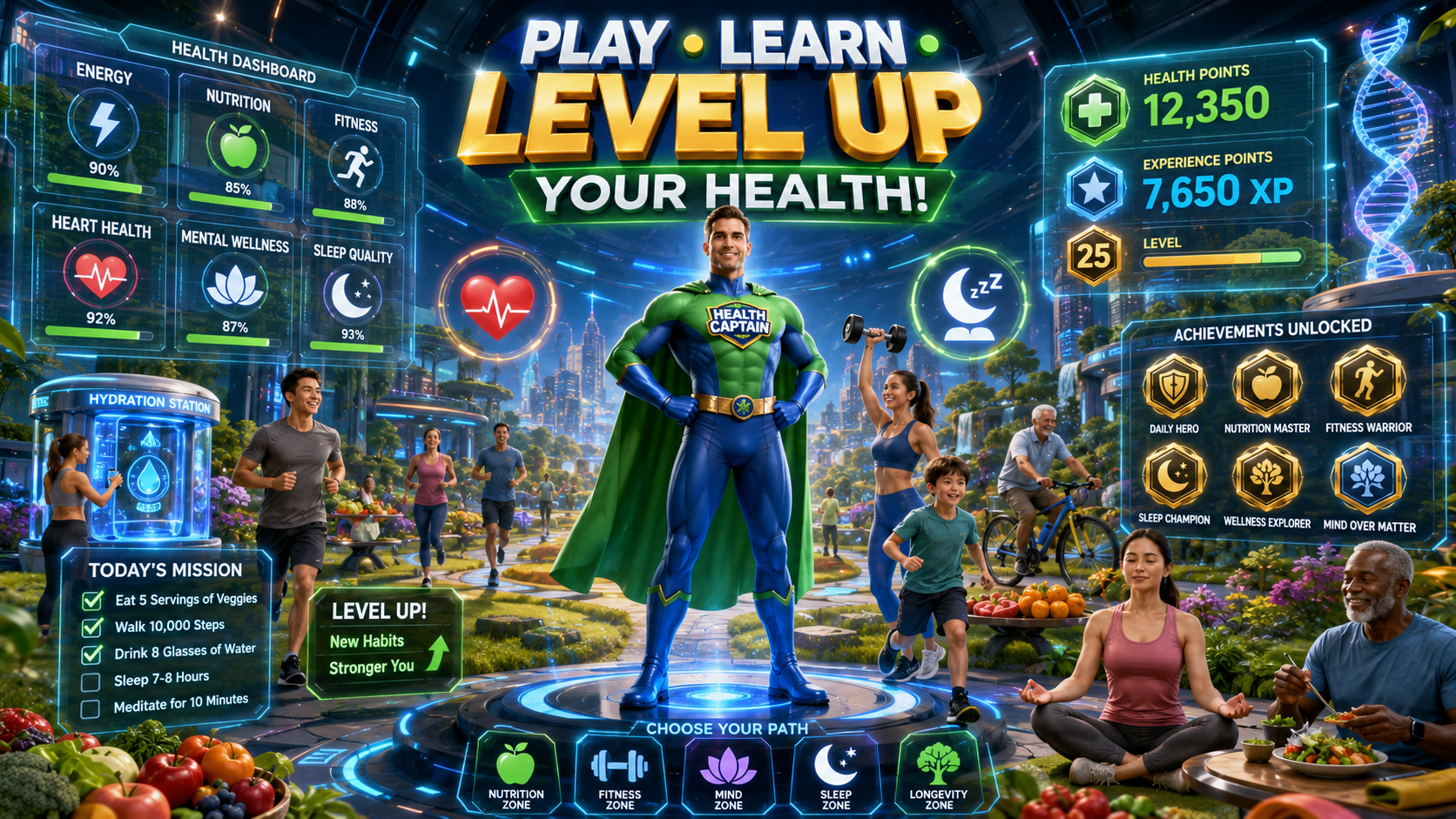
AI-powered health assistants are emerging that can help individuals better understand their health while providing personalized recommendations based on real-time data.
Instead of generic advice, future healthcare may deliver guidance specifically tailored to each individual.
Healthcare is becoming personal.
Wearables Are Becoming Health Intelligence Platforms
The smartwatch on your wrist is evolving into something much more powerful.
Modern wearable devices can already track:
- Heart rate
- Blood oxygen
- Sleep quality
- Activity levels
- Heart rate variability
- Stress indicators
- Recovery metrics
The next generation of devices will go even further.
Researchers are developing systems capable of continuously monitoring health markers and identifying potential problems before symptoms appear.
Imagine receiving an alert that your body is showing early signs of illness days before you actually feel sick.
That future is closer than many people realize.
AI Is Detecting Disease Earlier Than Ever
One of the most promising applications of AI is early disease detection.
Artificial intelligence systems can analyze enormous amounts of data much faster than humans.
This capability is already helping physicians identify:
- Certain cancers
- Heart disease
- Skin disorders
- Eye diseases
- Neurological conditions
In many cases, AI serves as an additional layer of intelligence, helping doctors spot patterns that might otherwise be missed.
Early detection saves lives.
When diseases are identified sooner, treatment is often more effective, less invasive, and less expensive.
AI and Cancer: A New Era of Precision Medicine
Cancer remains one of humanity’s greatest health challenges.
Artificial intelligence is helping researchers attack the problem from multiple directions.
AI systems can:
- Analyze tumors
- Identify genetic mutations
- Predict treatment responses
- Discover potential drug candidates
- Improve screening accuracy
Rather than treating every patient the same way, AI is helping move medicine toward highly personalized treatment plans.
The goal is simple:
The right treatment.
For the right patient.
At the right time.
Drug Discovery Is Accelerating
Traditionally, developing a new drug can take more than a decade and cost billions of dollars.
AI is dramatically shortening that process.
Researchers can now use machine learning systems to:
- Model proteins
- Predict molecular interactions
- Simulate biological processes
- Identify promising compounds
Tasks that once required years of laboratory work can now be completed much faster.
This could lead to breakthroughs in:
- Cancer treatment
- Alzheimer’s disease
- Rare diseases
- Autoimmune conditions
- Infectious diseases
The speed of medical innovation is increasing.
AI Is Helping Doctors Instead of Replacing Them
One common misconception is that AI will replace physicians.
The reality is more nuanced.
Healthcare professionals spend enormous amounts of time on documentation, administrative work, and paperwork.
AI is increasingly handling these tasks.
New AI systems can:
- Record doctor-patient conversations
- Generate clinical notes
- Organize medical records
- Summarize patient histories
This allows physicians to spend more time focused on what matters most:
The patient.
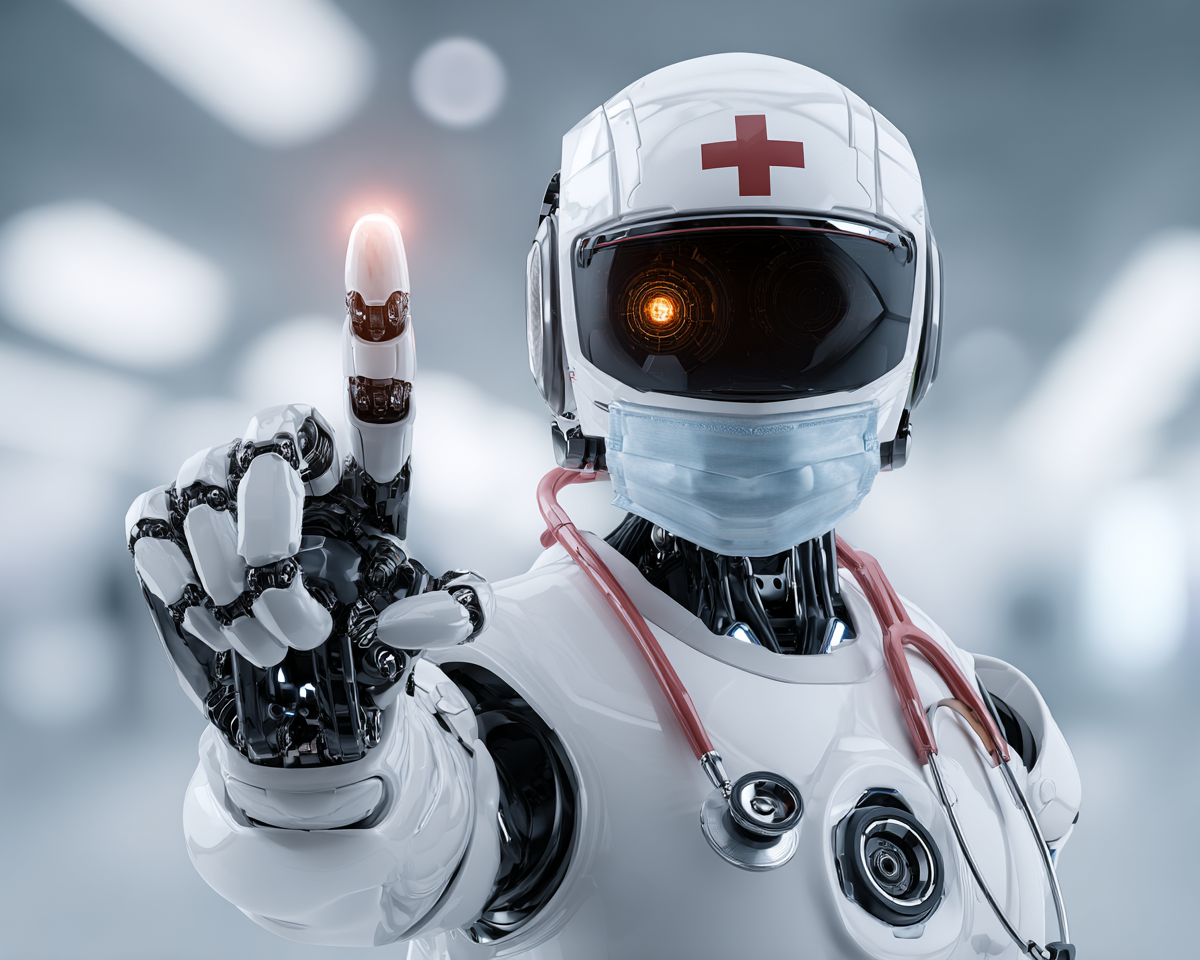
Rather than replacing doctors, AI is becoming a powerful assistant.
Mental Health and AI
Mental health is another area experiencing rapid innovation.
Millions of people face barriers to care including:
- Cost
- Access
- Stigma
- Long wait times
AI-powered mental wellness tools are emerging to provide support between traditional therapy sessions.
These tools can help users:
- Track moods
- Identify emotional patterns
- Practice mindfulness
- Learn coping strategies
- Monitor stress levels
While AI cannot replace licensed mental health professionals, it may help expand access to support and education.
The Future of Personalized Medicine
Medicine has historically relied on averages.
But people are not average.
Every individual has unique:
- Genetics
- Lifestyle habits
- Environmental exposures
- Health risks
- Biological responses
Artificial intelligence enables healthcare to become increasingly personalized.
Future treatment plans may be based on continuous analysis of:
- DNA
- Blood biomarkers
- Wearable data
- Medical history
- Behavioral patterns
The result could be more effective prevention and treatment strategies for each individual.
Longevity and Healthy Aging
One of the most exciting areas of AI-driven healthcare is longevity.
Researchers are using AI to study aging itself.
Artificial intelligence can identify patterns associated with:
- Biological aging
- Chronic disease risk
- Lifestyle factors
- Preventive interventions
Instead of simply living longer, the focus is shifting toward increasing healthspan—the number of years people remain healthy, active, and independent.
The future of medicine may be less about extending life and more about improving the quality of life.
The Shift From Reactive to Predictive Healthcare
Perhaps the most important healthcare transformation is moving from reactive care to predictive care.
For most of human history, healthcare worked like this:
You get sick.
You seek treatment.
You recover.
AI is helping create a different model.
Monitor continuously.
Detect problems early.
Intervene sooner.
Prevent disease.
This shift has the potential to reduce healthcare costs, improve outcomes, and dramatically enhance quality of life.
Challenges and Ethical Questions
Despite its promise, AI healthcare is not without challenges.
Important questions remain regarding:
- Privacy
- Data security
- Algorithmic bias
- Transparency
- Regulatory oversight
- Human decision-making
Healthcare decisions affect people’s lives.
Ensuring AI is deployed responsibly will be just as important as developing the technology itself.
The future must balance innovation with trust.
What Happens Next?
Over the next decade, healthcare may look dramatically different.
Individuals could have:
- Continuous health monitoring
- Personalized prevention plans
- AI-assisted medical guidance
- Faster diagnoses
- More effective treatments
- Greater access to care
The healthcare system of the future may not begin in a doctor’s office.
It may begin on your wrist, your smartphone, or an AI health companion that helps you stay healthy every day.
Final Thoughts
Artificial Intelligence is not simply another healthcare technology.
It represents a new way of understanding, monitoring, and improving human health.
From disease detection and drug discovery to personalized medicine and longevity research, AI is helping create a future where healthcare becomes more proactive, more precise, and more accessible.
The greatest medical breakthrough may not be a single drug or device.
It may be the ability to understand the human body better than ever before—and act before illness takes hold.
The AI health revolution has already begun.
The question is no longer whether it will transform healthcare.
The question is how quickly.